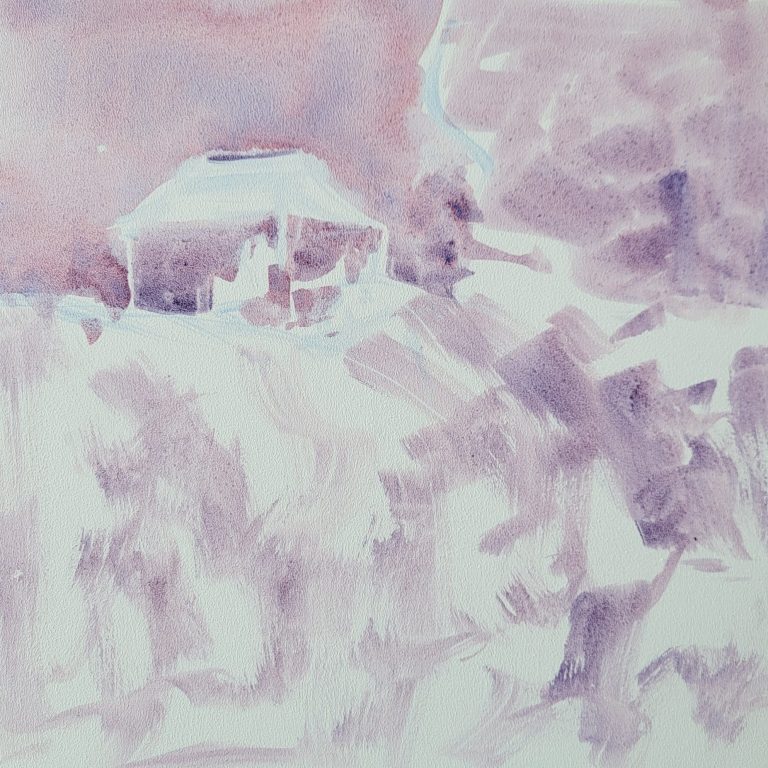
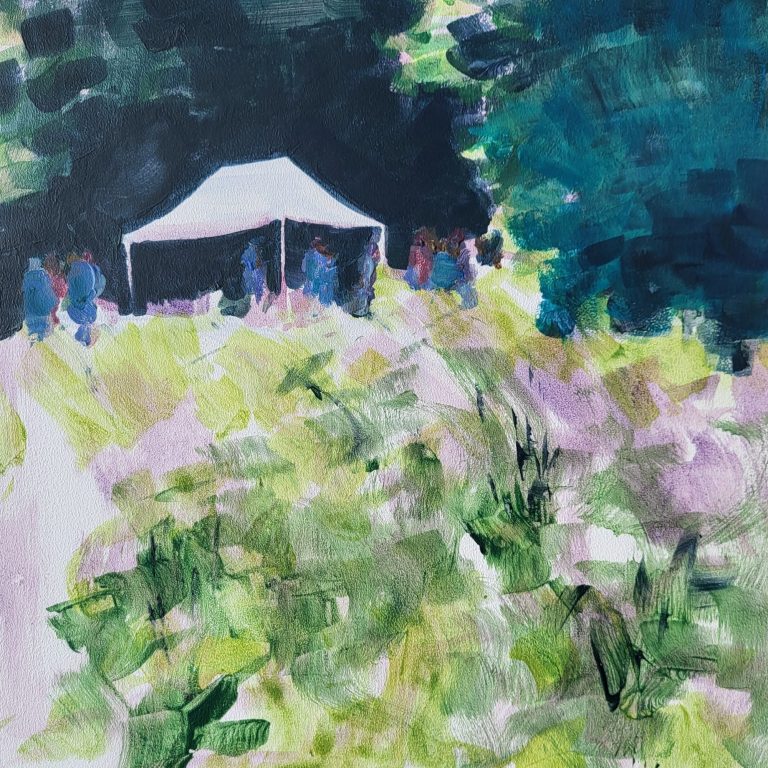
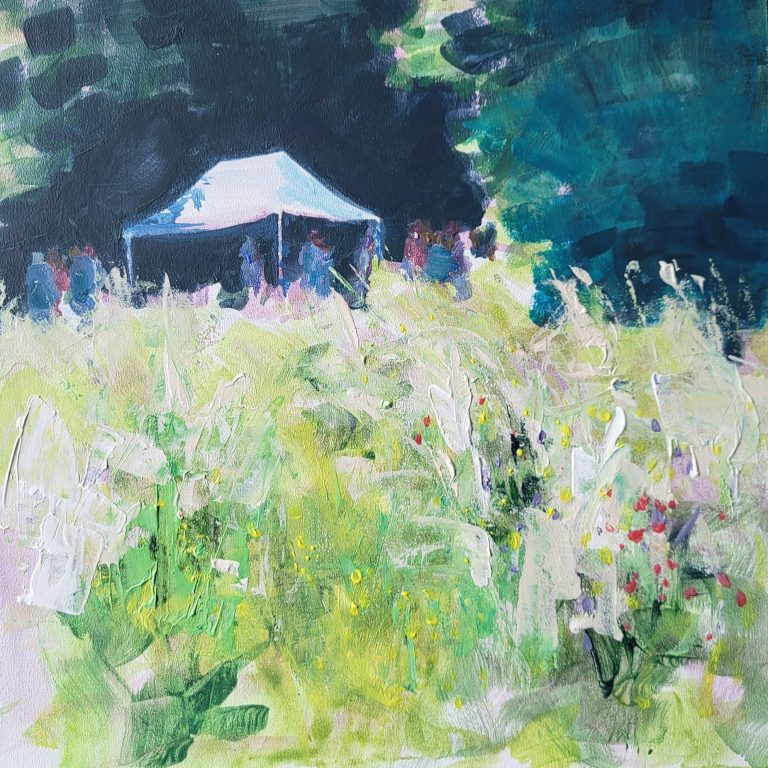
Painting is a way of exploring the magical, mysterious quality that turns a location into a place and its connection to well-being
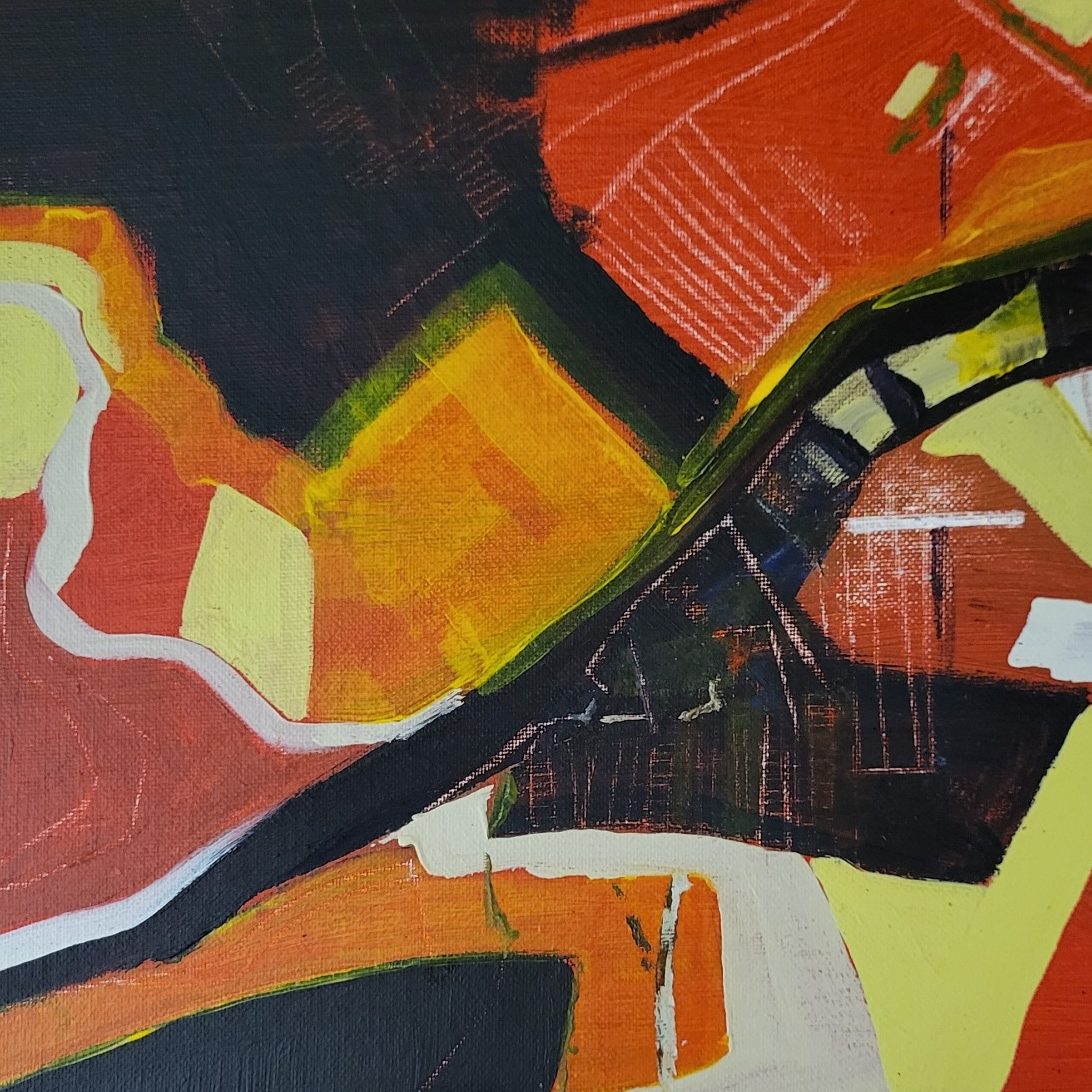
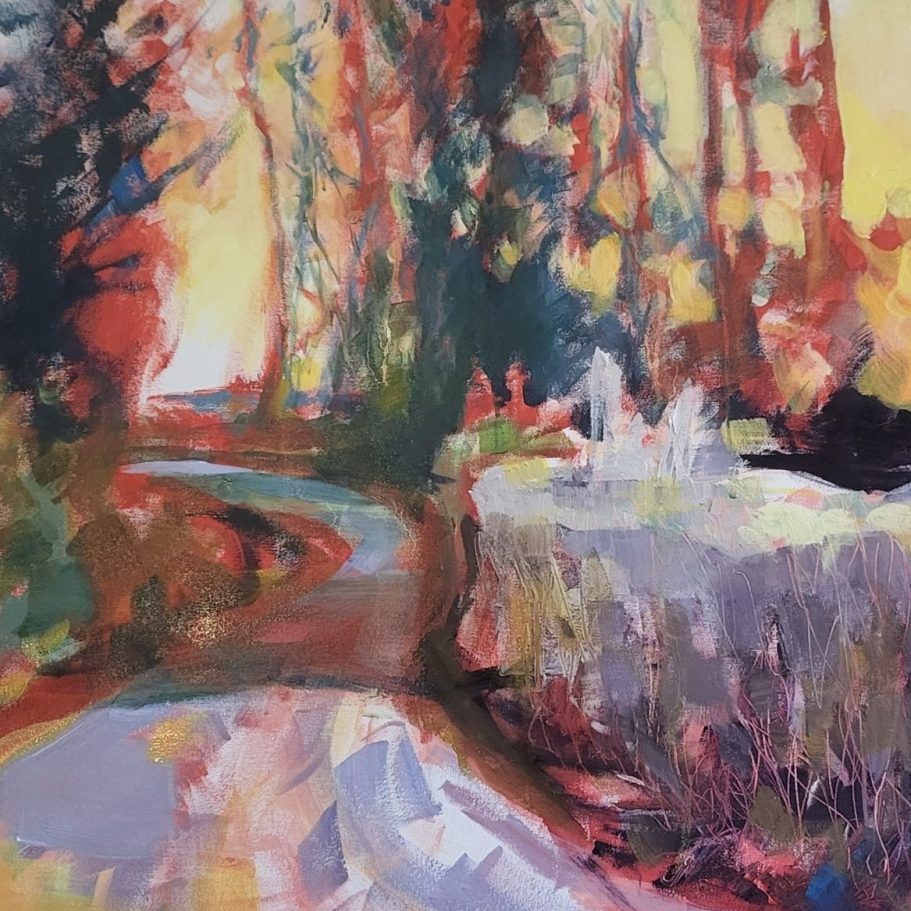
Spirit in Place
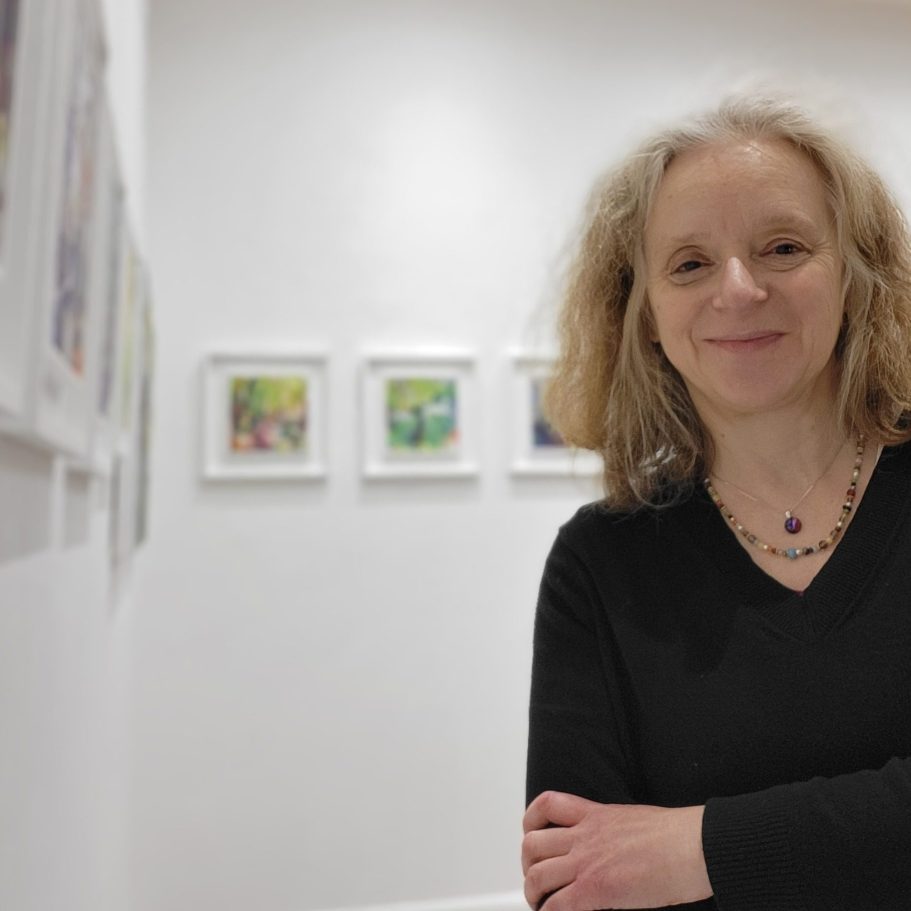
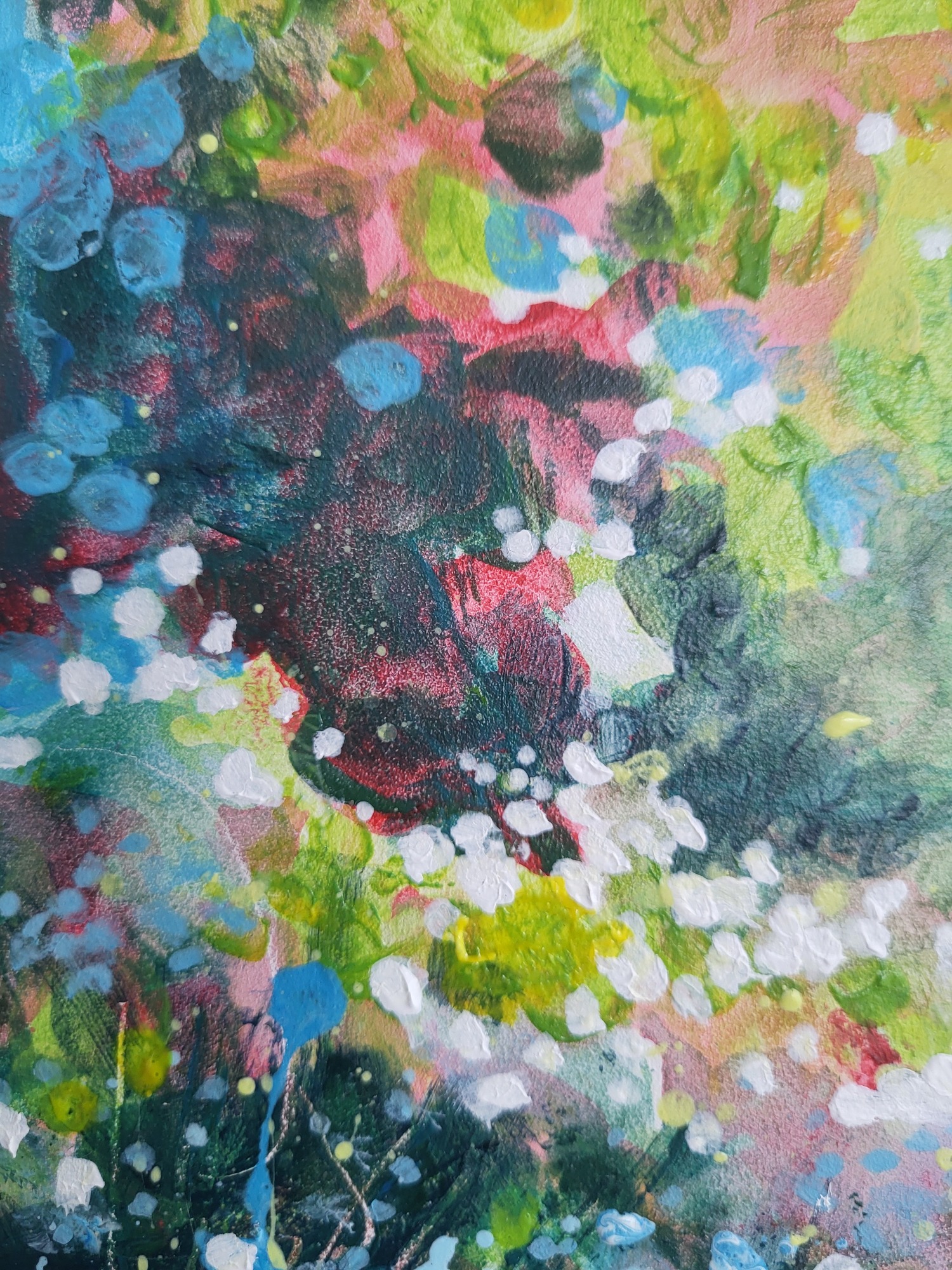
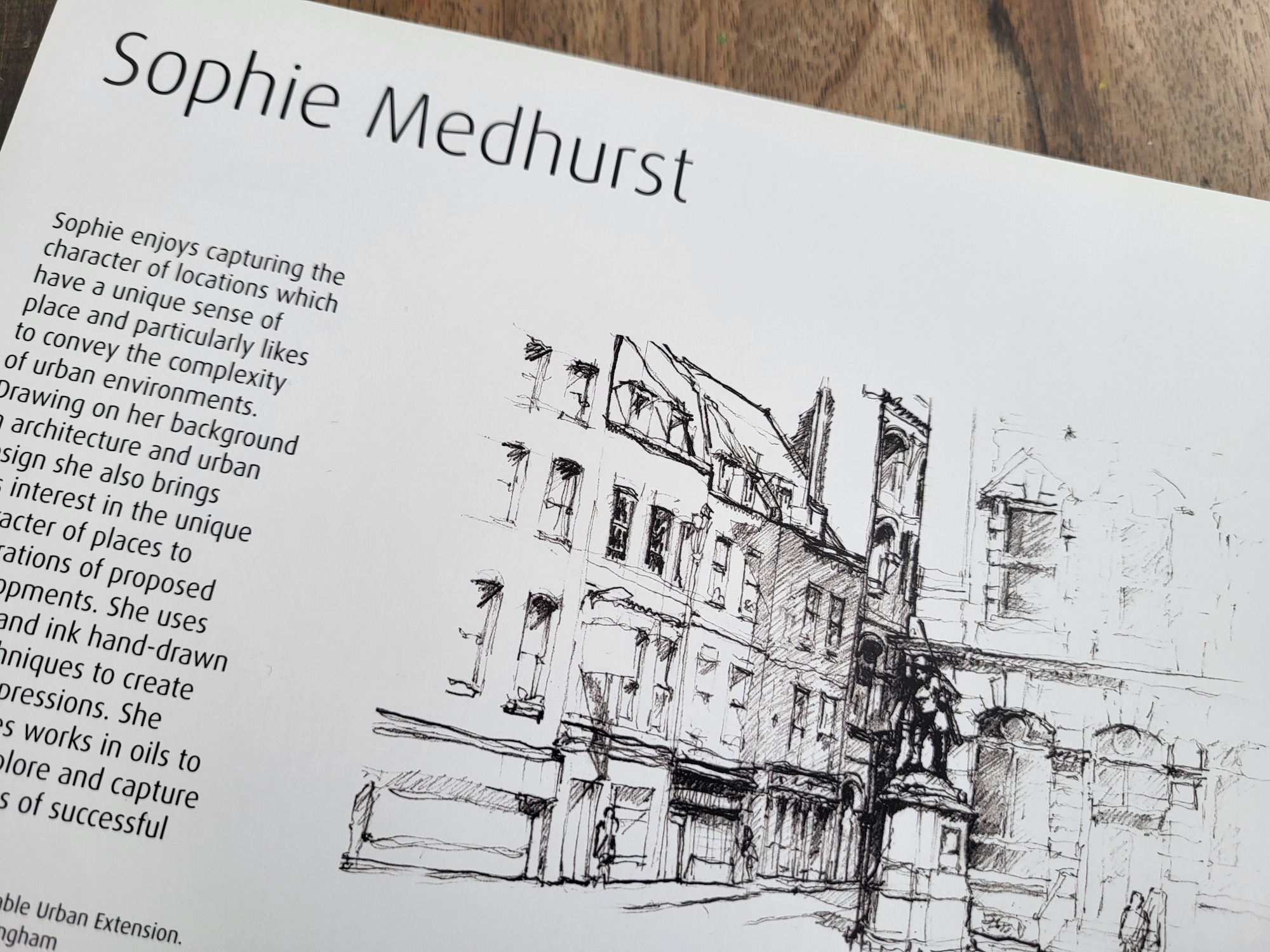
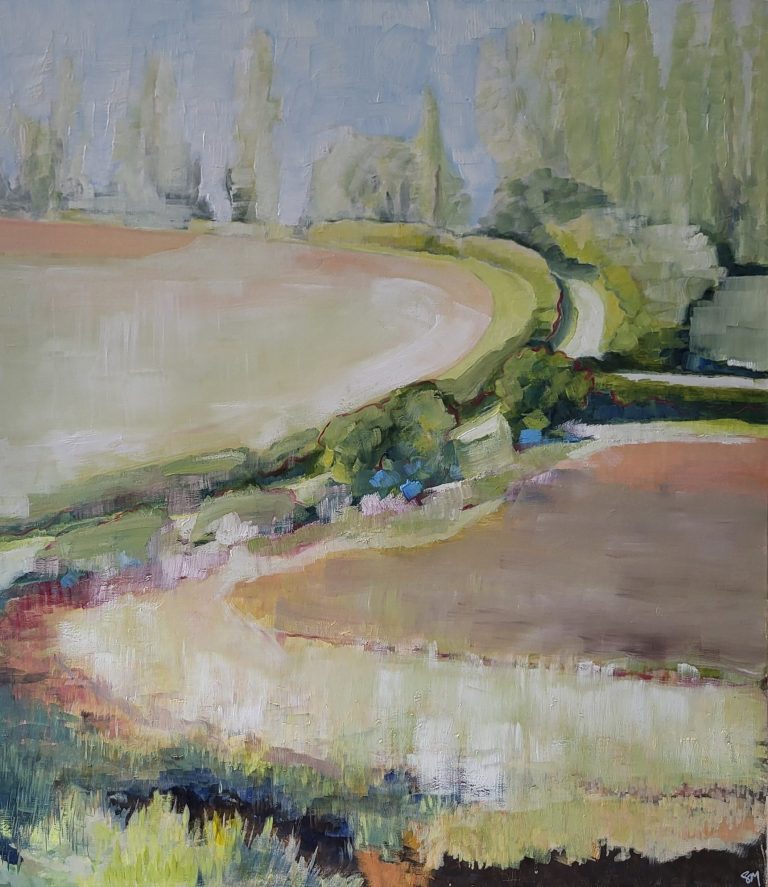
My art practice is all about exploring the magical and intangible atmosphere that turns a location into a place, in fact it's been a common thread through my life. 'Sense of place' always fascinated me. As a teenager I would take myself off on long walks through London, sketching , going back in time it seemed in some favourite places like the alleyways of the City of London. I trained as an architect and soon went into urban design, the study and design of parts of towns and cities (rather than individual buildings). I studied historic places to understand what makes places feel right and worked on design guides that set out what the physical components were that, as designers, we needed to incorporate in new places to give them a quality that people enjoyed and where they got a sense of belonging.
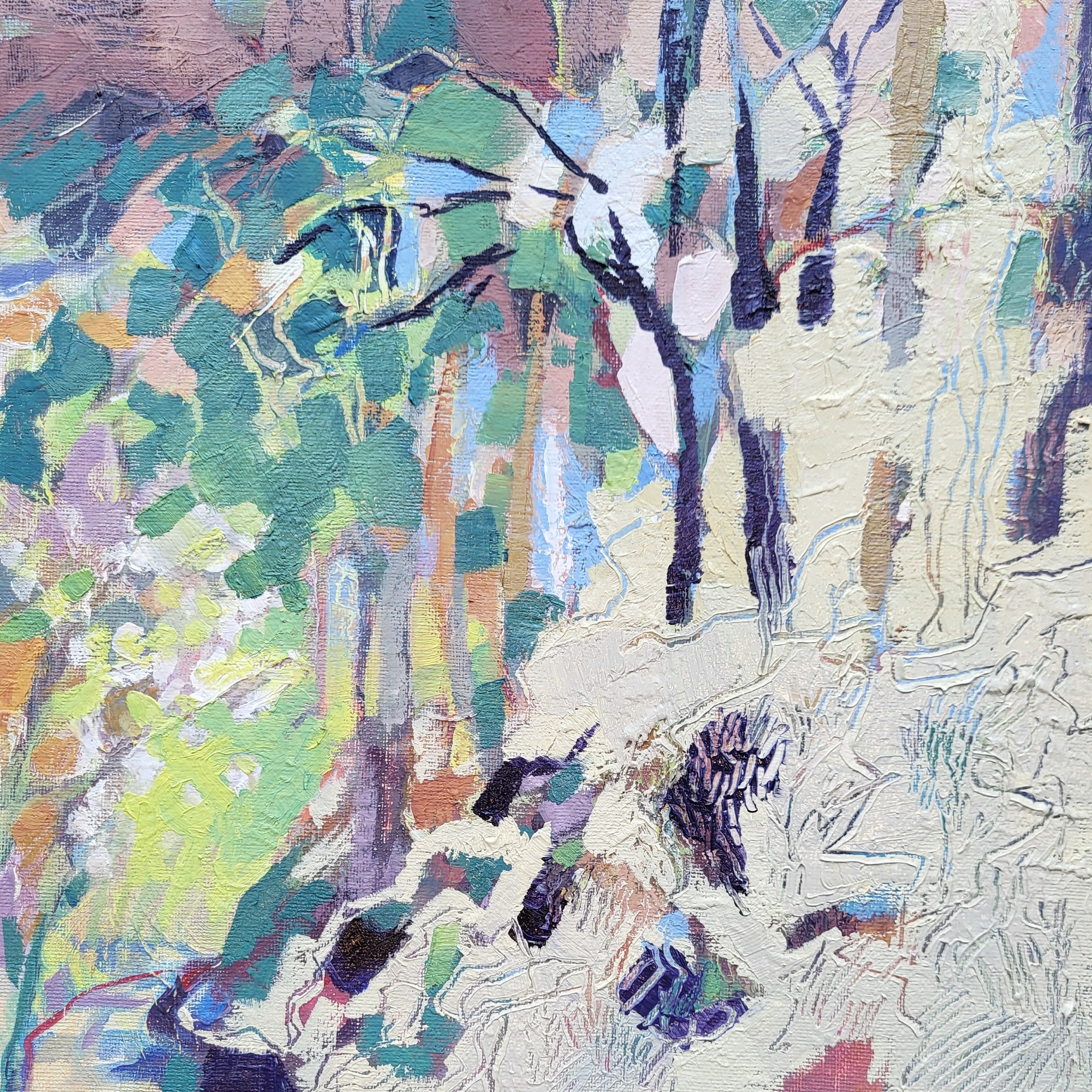
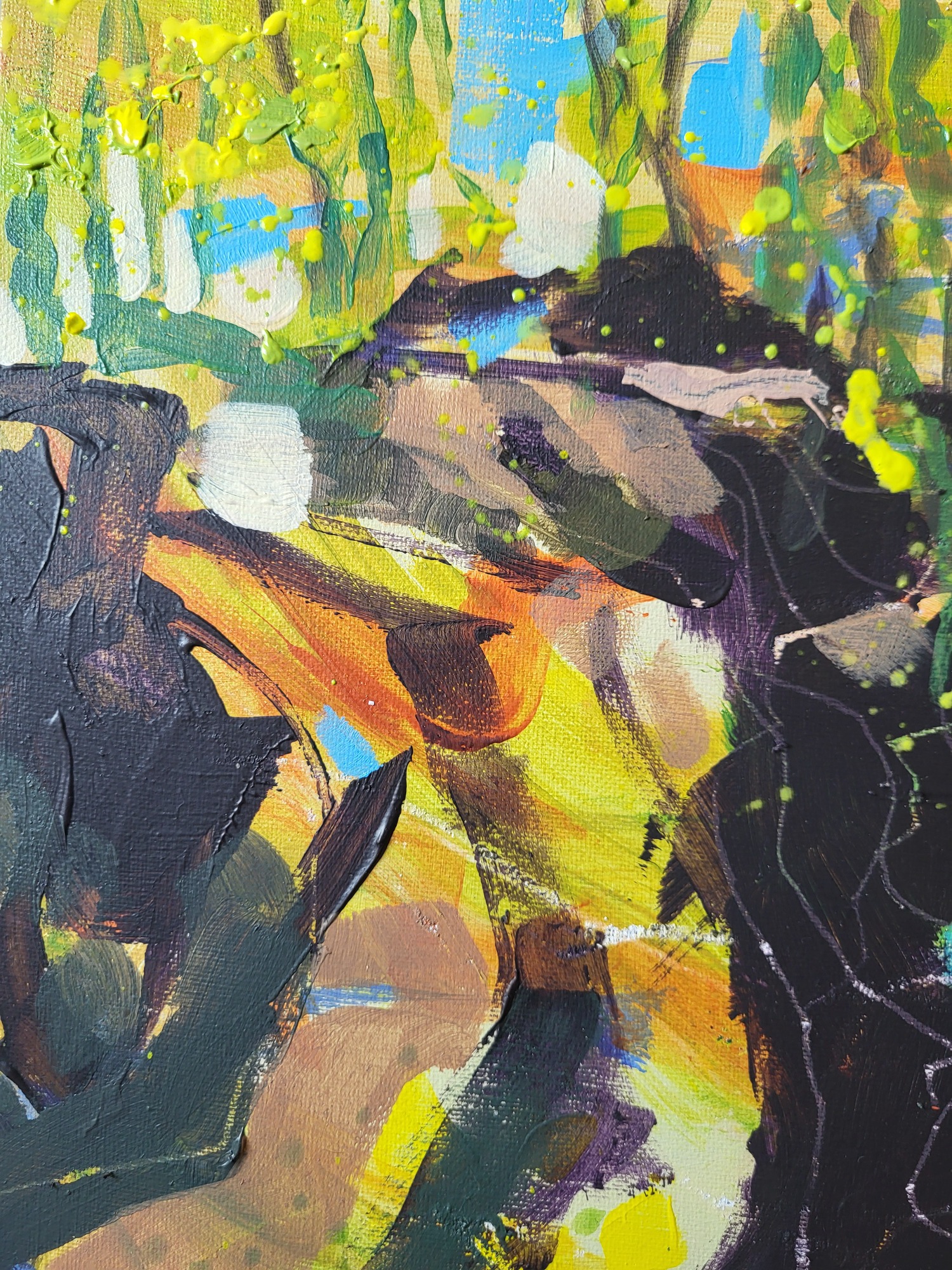
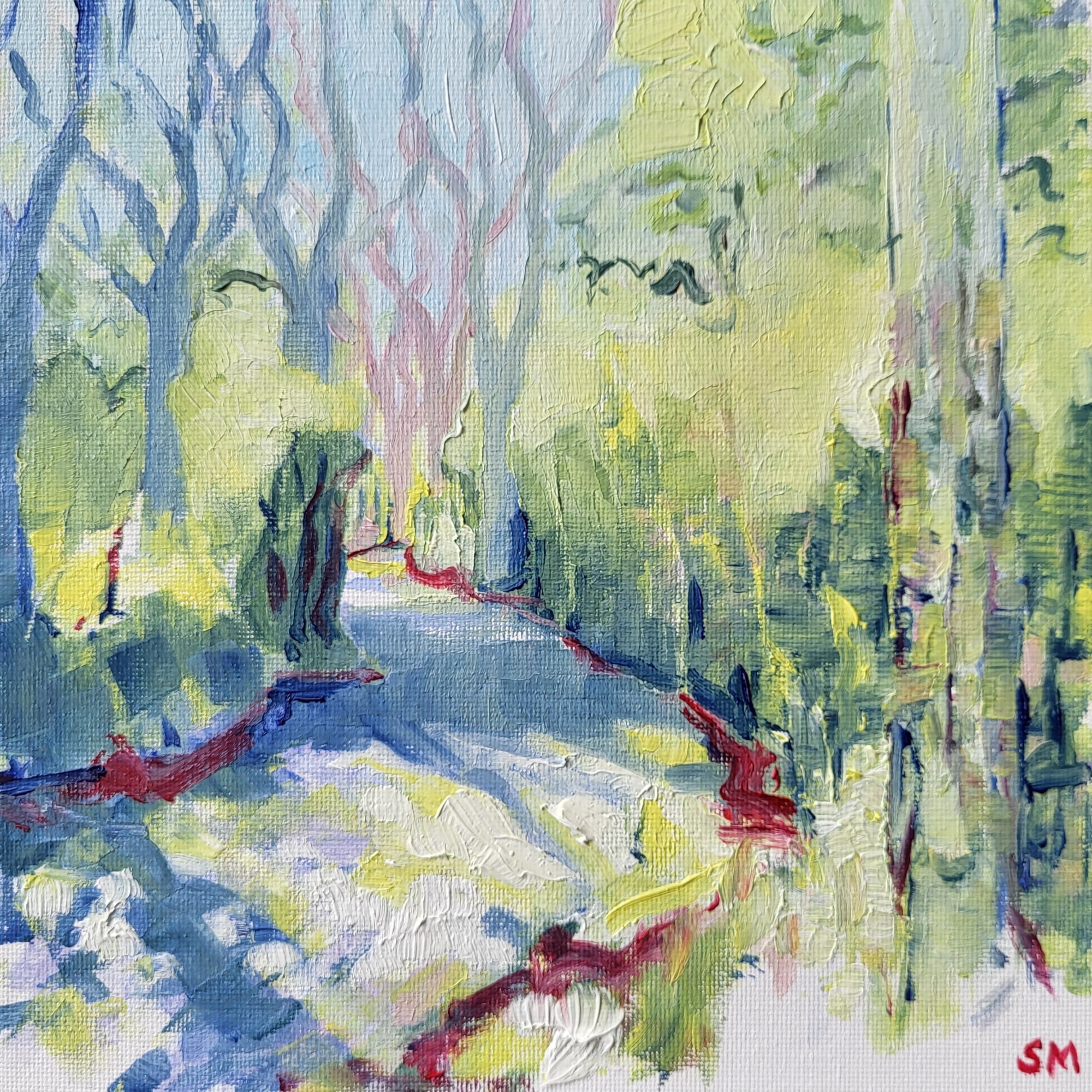
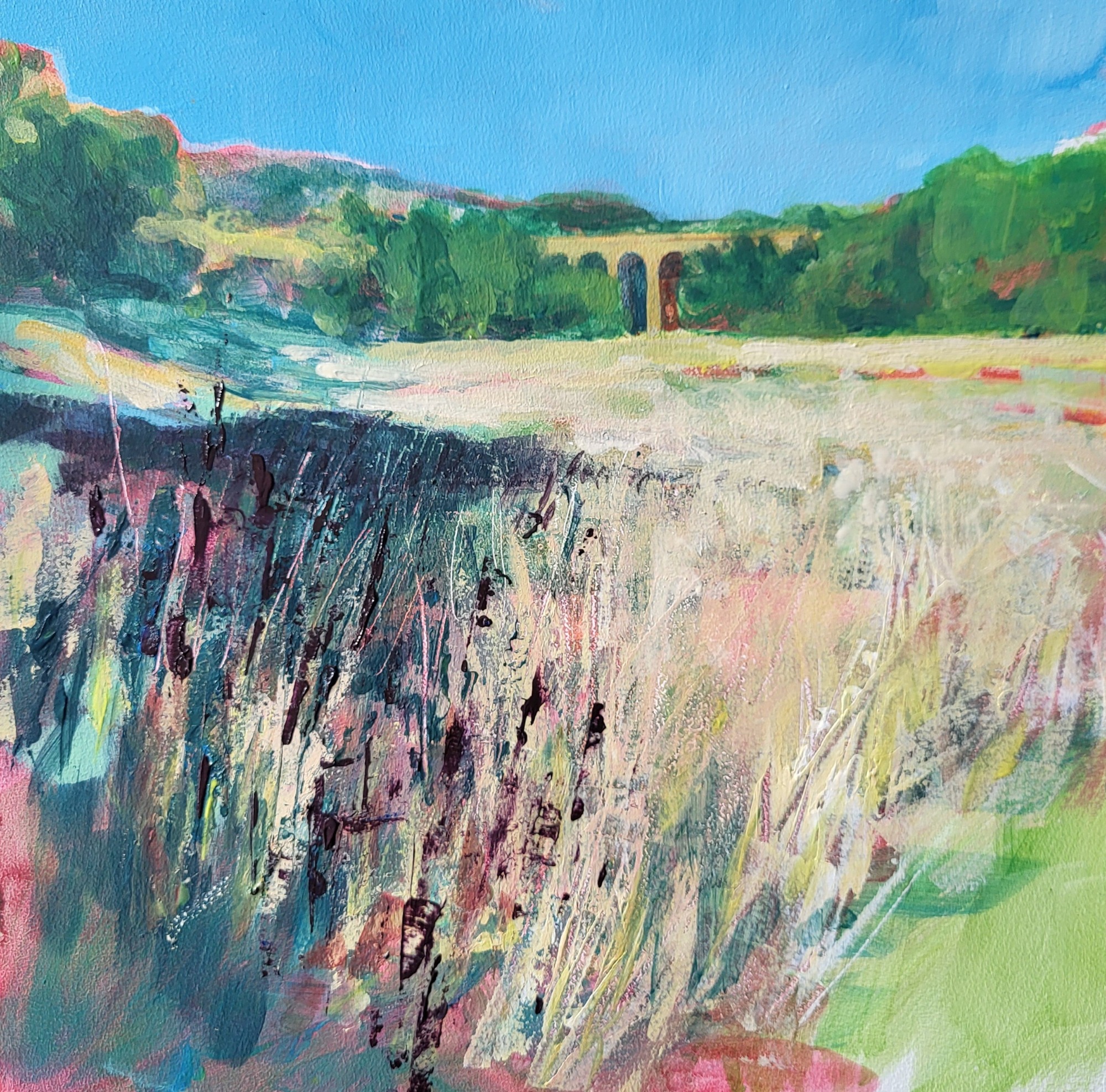
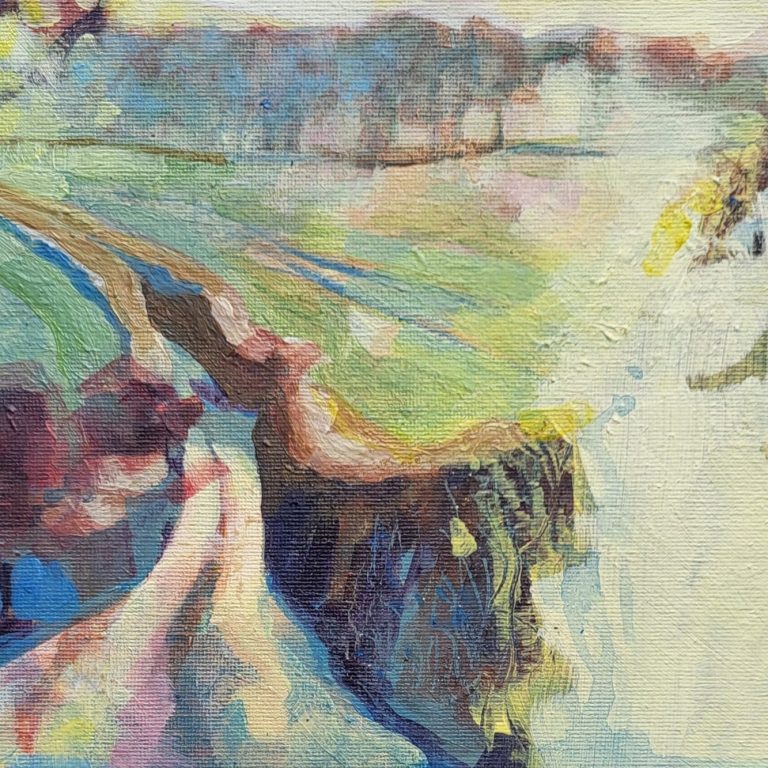
But it's the intangible quality of spirit of place, that goes beyond the physical components, that really fascinates me and I turned to painting to understand that more deeply- What is it? Does it belong to the place or is it something in us? Do we fully understand how it emerges? To do this I set about conveying that atmosphere and I painted (still do) until I felt the painting also held that mysterious, magical quality. This was in itself at first a mysterious process of experimentation and patience until the feeling of spaciousness and well-being emerged on the canvas as it existed in the place. Alongside this, routes and patterns in the landscape, the joy of maps, the history and archaeology of the land feature as inspiration for many of my painting studies. I've focused recently on rural landscapes as a way of going back to a more fundamental version of spirit of place, but townscapes hold the same fascination.
The key part of this practice is the conviction that when the well-being we feel in a place is reignited by a painting, the same well-being is in us when we experience both the place and the painting. So it seems to me that the painting and the decisions I make to convey atmosphere could tell us something more about unique places and also about well-being itself. That art practice has a role to play in understanding what conditions are needed in a place to make us feel whole.
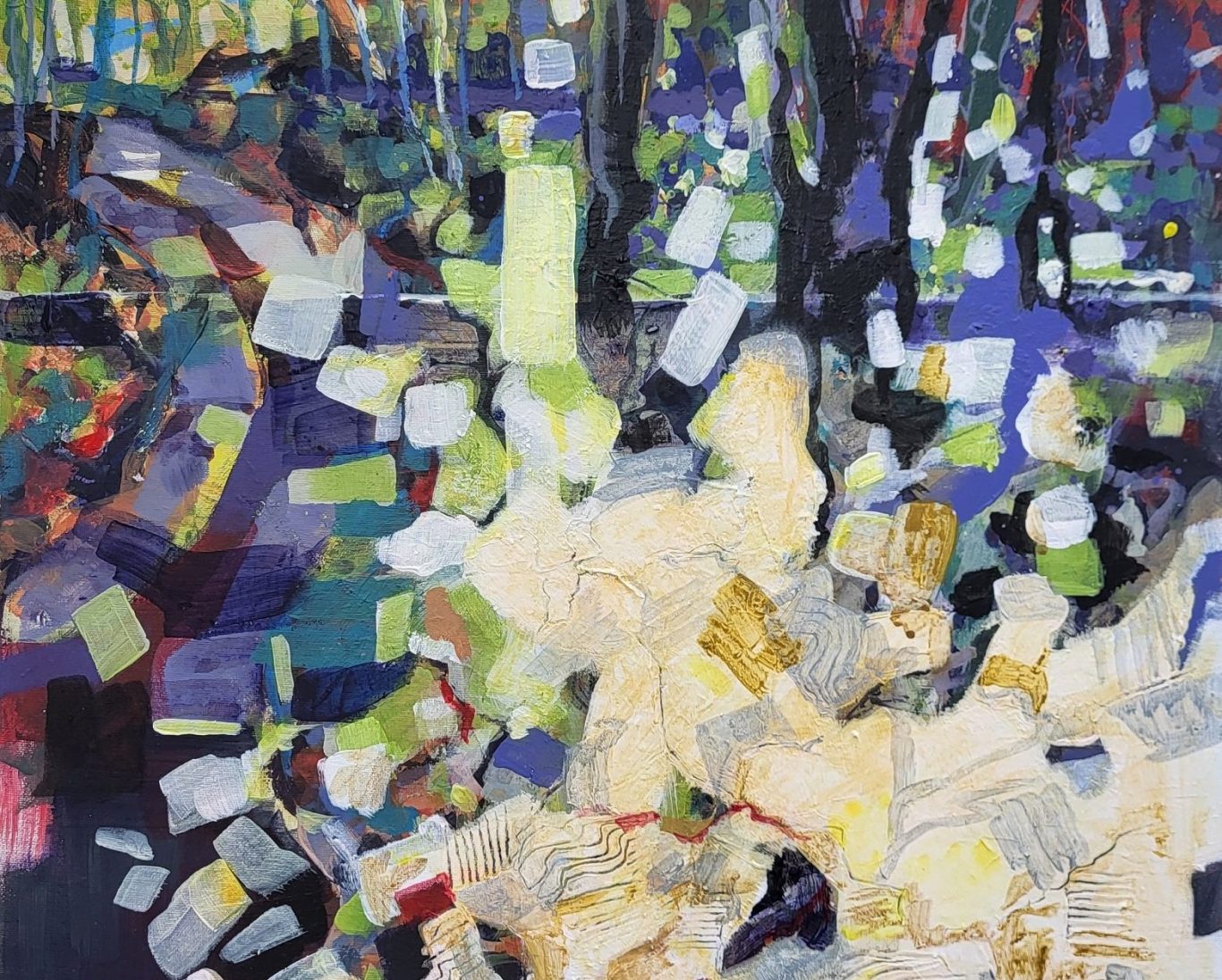
I noticed that this feeling of spirit of place or well-being, was an experience of stillness or spaciousness-not necessarily physical space. I had noticed this long ago as an architecture student, that designs that contained what I called a 'magical void' were somehow more satisfying (the Gardens of the Villa Lante or Michelangelo's Sacristy at San Lorenzo had this quality which I couldn't quite put my finger on). Paintings also contained this 'magical void' which is a spaciousness, which often goes undetected but which is nonetheless at the heart of the painting. At first I achieved this sense of spaciousness and stillness by experimentation, it was slow and a bit hit and miss. But by I felt that these must be some underlying rules and that if I was painting places perhaps these rules applied to the places themselves.
In the process of painting I began to identify contrasts that were essential for this feeling of well-being to emerge. Some of these will be familiar to artists, and many artists use these contrasts intuitively as I first did. These contrasts include the value contrast, between light and dark, and how they are balanced in the painting, something which is familiar to all artists. A contrast between 'here' and 'there' was key to creating this atmosphere and perhaps most important in landscape painting was the contrast between nature and how human interventions are portrayed within it. But these are guides and I also want to be sure these contrasts don't become painting rules .This is where I am now with this exploration. It is ongoing and evolving and I'm intrigued to take this on to further stages of exploration.
In every part of the painting process I'm guided by the key question of 'what does it feel like to be here?' What it looks like is secondary. Every decision from composition, value differences (dark and light) to colour, texture and detail are all taken with this feeling of spaciousness as the goal.
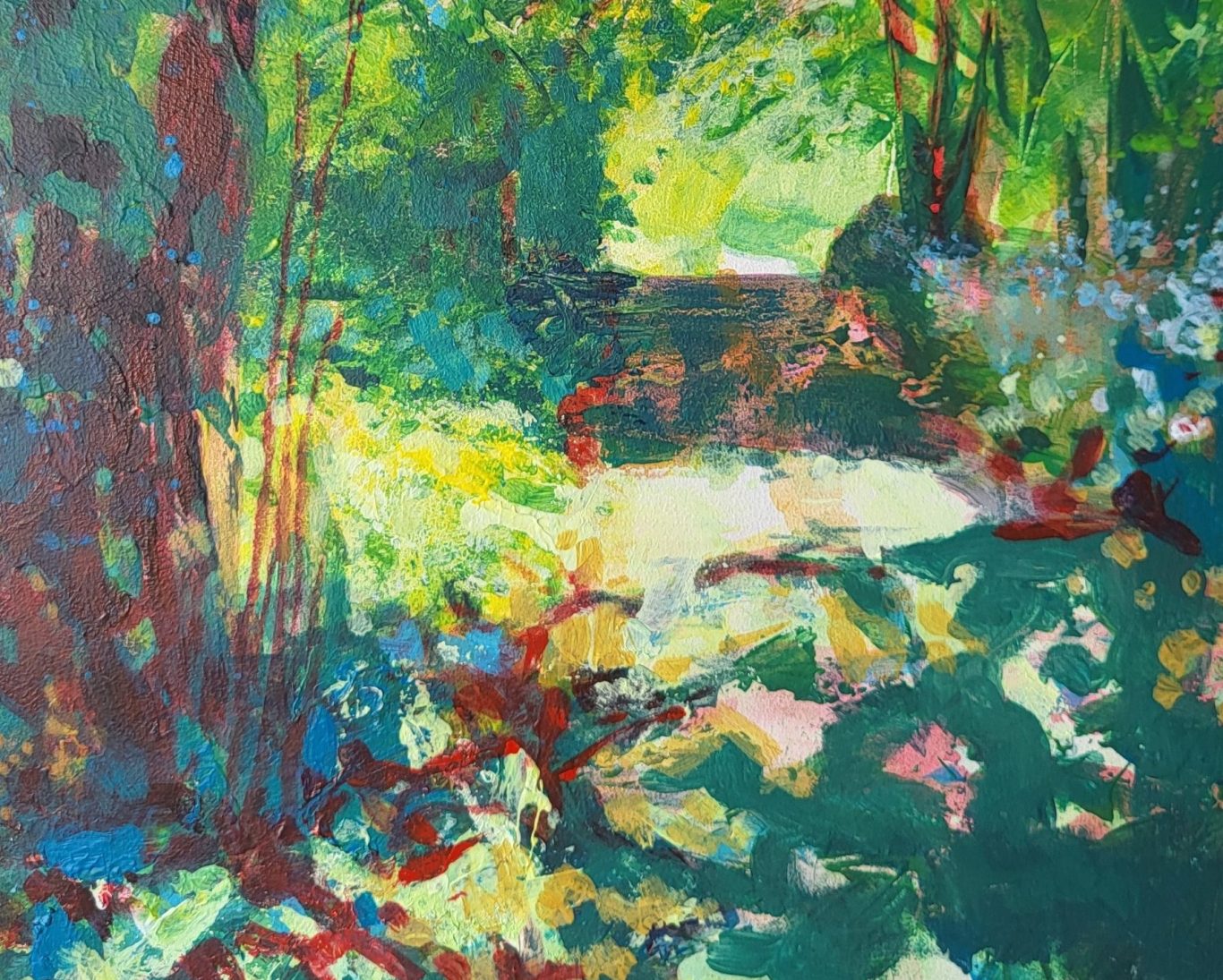
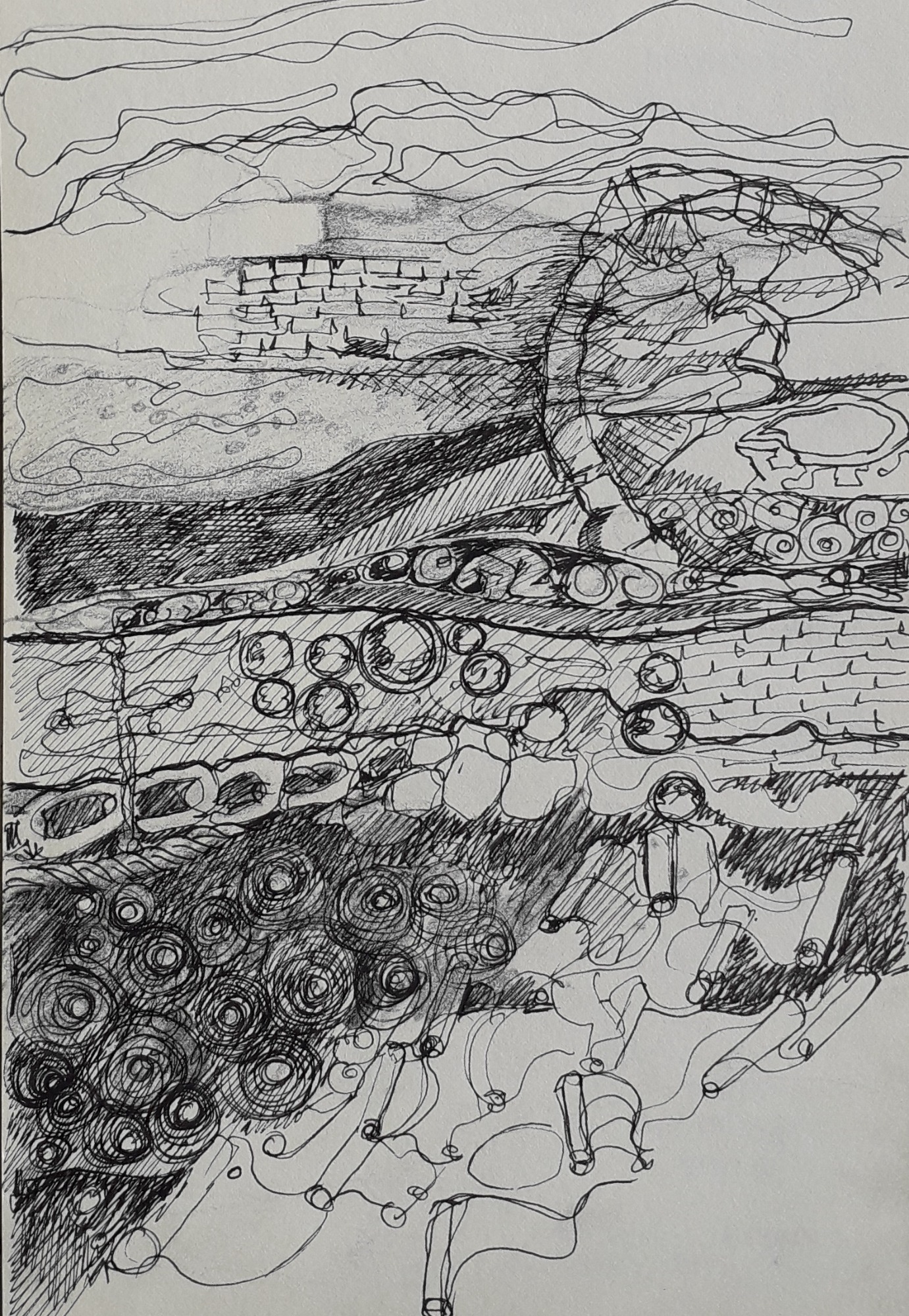
Behind my finished paintings are many studies and questions about what makes places- Routes play a big part in my work. How important is a sense of the destination to making the place when you arrive at it? What about the sense of history in places and routes, of patterns in the land and how the land has been changed that are captured in maps? How does our relationship with nature and how it is depicted affect places and how we feel in them? I look at the contrast between historic patterns, especially routes and the immediate and fleeting moment represented by the changing seasons and capturing the temporary quality of light . I look at the contrast between nature and our place in it and how that is shown on the canvas and at the contrast between the place that is right by us and a sense of the destination, often a mysterious place that seems just out of reach which is about 'here' and 'there' but also about the passing of time.
Stillness
"It is only with the heart that one can see rightly. What is essential is invisible to the eye" Antoine de St. Exupery
Which paintings do you love that capture something invisible but powerful about a place, person or a moment? It's that invisible component of magic that draws us in.
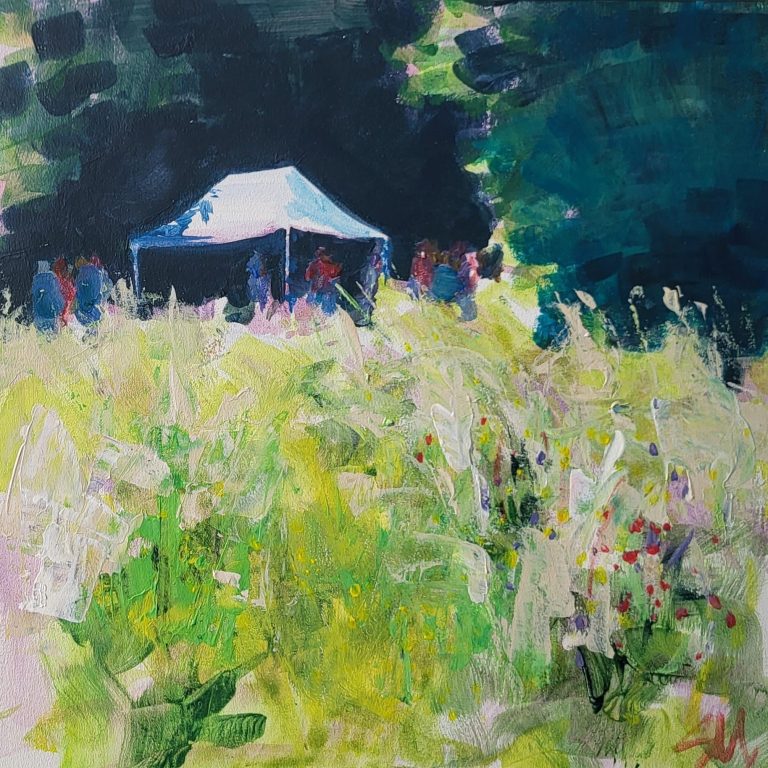
Everything about a painting and in every stage of painting it, I focus on conveying the spirit of that moment. So from the very beginning, the painting is not really about what you can see, even if it is representational, but on what it feels like to be there and the well-being that comes from some places. In order to capture that feeling I will need to focus on that throughout the time I am painting it, so that you as the viewer also experience it too whenever you look at it.
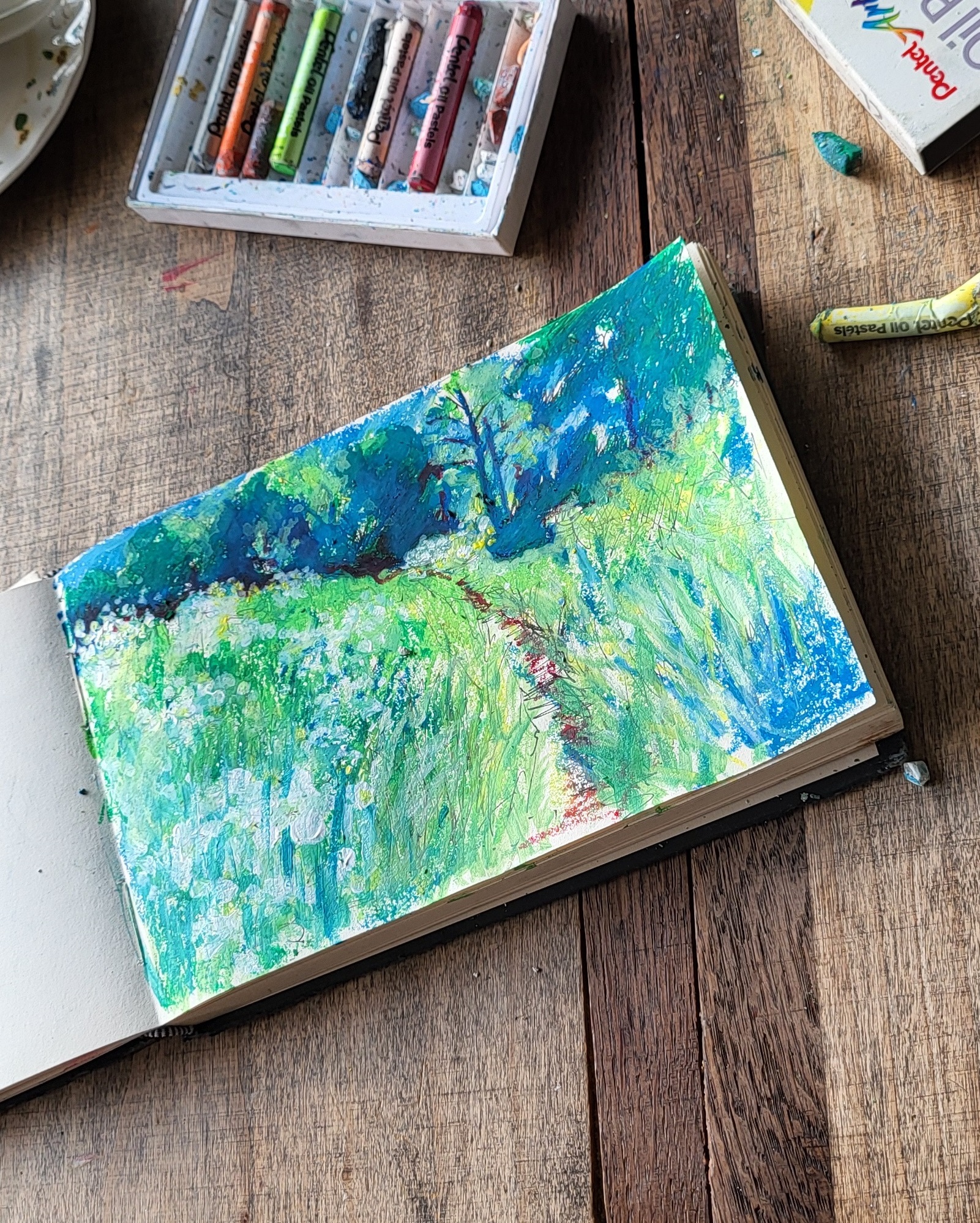
A big part of this sense of well-being is a sense of stillness which I've come to call a 'Magical Void'. Stillness or spaciousness is the most important feeling that I aim for in a painting. It may have been a fleeting experience but I want my paintings to be a continual reminder of that feeling of stillness, like a short cut to finding it in the midst of the business of everyday life.
I use stillness or spaciousness as a guide -I don't stop until I feel I have come close to capturing that feeling. That doesn't mean that a painting can't also capture other emotions like a feeling of adventure or energy, but somewhere deep in the core of the painting I'm looking to create a stillness behind those other emotions.
I'd love to receive your thoughts and comments, so please get in touch on Instagram, Facebook or by email-links at top of page!
Switching between mind and feeling
With the feeling of stillness or spaciousness as my guide, every decision is made with this experience in mind.
'Mind' is probably not the right word to emphasise however. Mind plays a part -"Which brush shall I use here? Do I need to wait for this layer to dry?" but it's important 'mind' doesn't get the upper hand (which it loves to do!) Letting mind get the upper hand can lead to an artwork that may look lifeless because it only contains 'things' and doesn't contain that magical feeling of stillness or spaciousness that sits silently alongside them.
The process of painting switches continuously between mind ( such as " How many windows are there in the house I'm painting?") and feeling ( "Is this what it feels like to be there? Have I captured a feeling of spaciousness?") I found it intriguing and helpful to become aware of this switch in focus between mind (which isn't often still!) and the feeling of stillness and to watch when it happens whilst making art.
My intention is that the painting when it's on your wall not only brings that feeling of peace and stillness, but that the switching between mind and feeling that I did whilst painting it, is also conveyed to anyone that sees it. That you also can consciously notice when you switch between the surface elements of the painting, the things that it depicts and the stillness that is always silently there beneath the surface.
I'd love to receive your thoughts and comments, so please get in touch on Instagram, Facebook or by email-links at top of page!